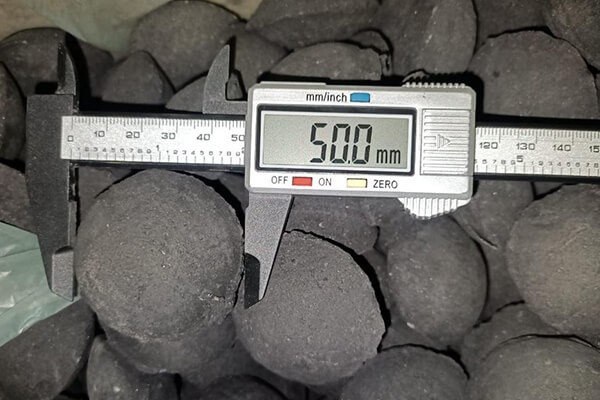
 Biocarbon is a carbon-based material produced from woody biomass through pyrolysis and can be used in metallurgy as a sustainable alternative to fossil coal and coke. It is applied in metal ore reduction processes, steel production, ferroalloy manufacturing, and as a carbon input in metallurgical furnaces.
A key factor in the use of biocarbon in metallurgical applications is its quality. For industrial processes, particularly important parameters include a high fixed carbon content (70-90%), in some case important may be low phosphorus levels (≤0.01-0,03%). These characteristics directly affect metal reduction efficiency, furnace stability, and final product quality.
Biocarbon exhibits high reactivity and can be used to meet the requirements of various metallurgical processes, such as
- Metal reduction from the ore
- EAF Slag Forming ( EAF Electric Arc Forming)
- BF PCI (Blast Furnace Pulverized Coal Injection) for a partial substitute of the metallurgical coke
Through careful selection of biomass feedstock, optimization of pyrolysis conditions, and control of particle size distribution, biocarbon with the required bulk density and mechanical strength can be produced to suit specific operational conditions.
The use of biocarbon enables a gradual decarbonization of metallurgical processes without the need for radical changes to existing production routes, providing a balance between industrial performance, product quality and environmental responsibility.
All types of biocarbon which are going to be used in metallurgy in the EU have to correspond to sustainability policy and must be EU RED3 certified.